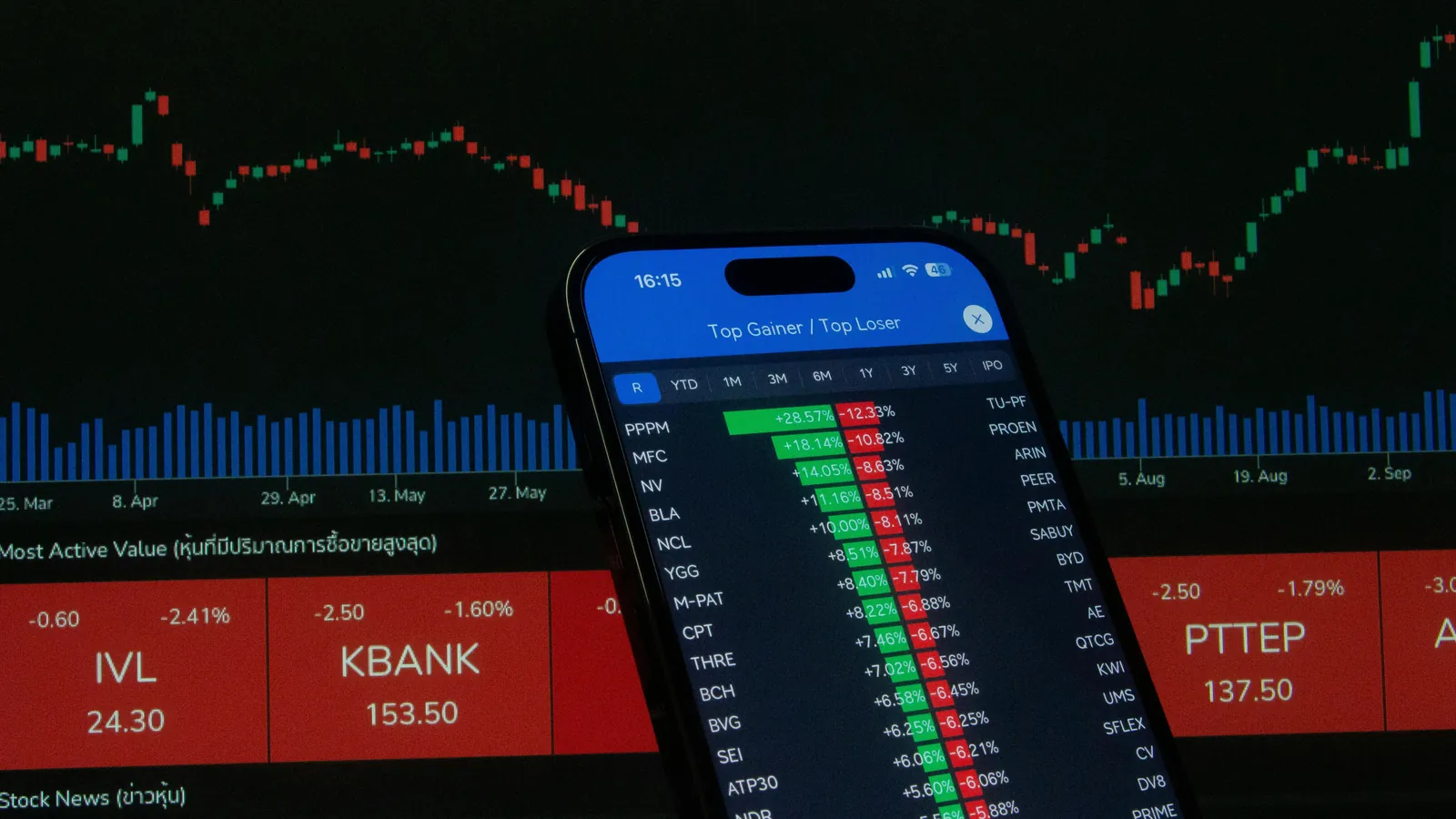
Cash positioning, payment timing, and short-term liquidity planning remain active priorities in a choppy market backdrop.
Liquidity discipline remains important
When markets are unsettled, treasury and finance teams often focus first on optionality. That can include payment scheduling, reserve targets, vendor timing, and access to credit lines. The point is rarely to avoid all risk, but to prevent a temporary disruption from creating a larger operating constraint.
Cash decisions connect to wider planning
Cash management influences hiring, procurement, and capital planning. A business with stronger visibility into near-term inflows and obligations can make decisions with more confidence, even in a volatile backdrop.
Short-duration thinking can still be strategic
Not every cash decision is a long-term call on the economy. Sometimes the more strategic choice is to preserve flexibility for a quarter or two while demand, rates, or supplier conditions become easier to read.
Resilience is overtaking urgency
The broader editorial trend is a move away from urgency-driven decision making. In a mixed environment, resilient cash planning often matters more than maximizing every incremental opportunity.